
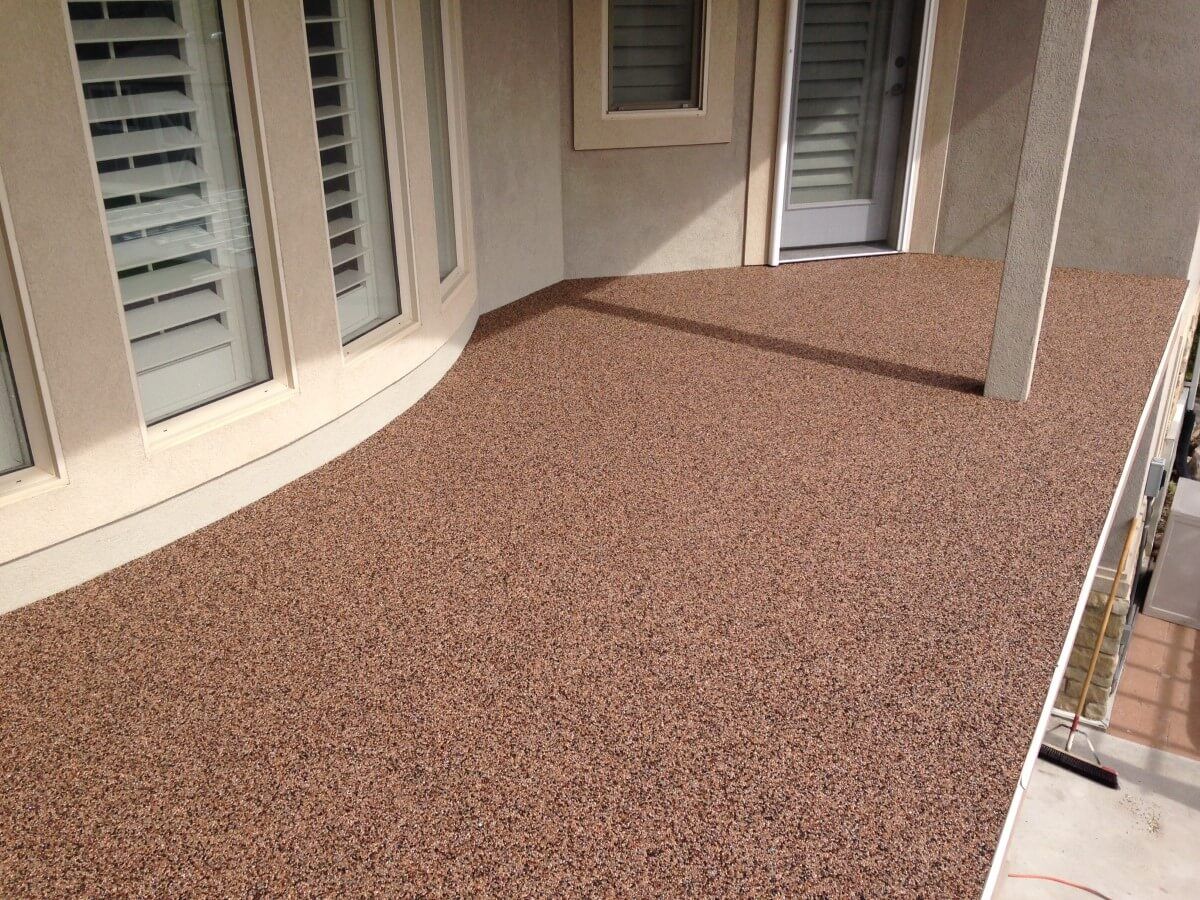
Outdoor decks and concrete areas are exposed to changing weather throughout the year. Rain, moisture, sunlight, temperature shifts, and regular foot traffic can gradually affect the surface and its appearance. Choosing an appropriate waterproof deck system can help property owners plan an outdoor space around its practical needs. The right outdoor flooring can also improve usability while creating a more finished appearance.
Understand Your Outdoor Space
Before choosing a deck or flooring system, consider how the area will be used. A small residential deck may mainly support seating and entertaining, while a larger outdoor space could experience frequent gatherings, furniture movement, or regular foot traffic.
The surrounding environment also matters. Areas exposed to heavy rainfall or frequent moisture may require different considerations from spaces that remain relatively dry.
Look at the existing surface, drainage, slope, cracks, and areas where water tends to collect. These conditions can influence which waterproofing or flooring approach is suitable.
Why Waterproofing Matters
Water can gradually affect outdoor surfaces when it repeatedly enters cracks, joints, or vulnerable areas. Proper waterproofing is intended to create a barrier that helps limit water exposure to the underlying structure.
A waterproof deck system should therefore be selected based on the condition of the existing surface and the level of exposure it receives. Simply covering visible damage without addressing underlying problems may not provide a suitable long-term approach.
Professional assessment can help determine whether repairs, preparation, drainage improvements, or additional surface work should happen before waterproofing begins.
Evaluate the Existing Surface
The condition of the deck or concrete surface should be assessed before installation. Look for cracks, loose material, stains, uneven areas, and signs of previous coating failure.
Small surface defects may be repairable, while more substantial structural problems could require additional work before a new system is installed.
It is also useful to identify how water currently moves across the area. Poor drainage can create repeated moisture exposure, so the surface should be evaluated as part of the overall project rather than treating waterproofing as a standalone step.
Choosing Outdoor Flooring
The right outdoor flooring depends on appearance, traffic, weather exposure, maintenance preferences, and the existing surface.
Some property owners prefer decorative finishes that complement the surrounding landscape or building. Others prioritize durability and easy cleaning, particularly when the area is frequently used.
Texture is another consideration. Outdoor surfaces can become wet from rain or cleaning, so that appropriate traction can be important. The finish should provide a practical balance between appearance, comfort, and everyday safety.
Consider Weather Exposure
Outdoor materials have to handle conditions that interior flooring does not encounter. Direct sunlight, rain, humidity, and temperature changes can affect different products in different ways.
Before selecting a system, ask whether it is intended for outdoor use and how it should be maintained. Application conditions may also matter because moisture or unsuitable temperatures can affect installation.
A professional can explain whether the selected system is appropriate for the property’s local environment and how preparation should be handled.
Think About Drainage
Waterproofing works best when the surrounding drainage conditions are also considered. Standing water can create unnecessary exposure and may affect the surface regardless of the selected finish.
Check whether the deck or outdoor area has an appropriate slope for water movement. Gutters, downspouts, nearby landscaping, and drainage paths can also influence where water collects.
If recurring water problems exist, they should be discussed before the flooring system is selected. Addressing the source of the problem may be more useful than repeatedly treating the visible surface.
Plan for Maintenance
Every outdoor surface requires some maintenance. Dirt, leaves, pollen, and other debris can accumulate, while outdoor furniture may leave marks or cause localized wear.
Ask what cleaning products are appropriate for the selected finish. Some surfaces may require specific maintenance methods, while others can be cleaned with relatively simple routines.
Periodic inspections are also useful. Look for cracks, damaged sections, worn areas, or places where water is collecting. Addressing small concerns early can make future maintenance easier to manage.
Compare Professional Services
When comparing contractors, ask how they evaluate the existing surface and what preparation is included. A professional should explain whether repairs, cleaning, mechanical preparation, waterproofing, and finishing are part of the proposed work.
It is also useful to request information about materials, expected maintenance, application conditions, and project scheduling. Comparing the complete process provides a clearer basis for choosing a service provider.
Conclusion
A well-planned outdoor surface should provide more than an attractive finish. It should suit the property’s environment, usage, drainage conditions, maintenance routine, and design preferences. Whether you are considering a waterproof deck or researching outdoor flooring options, understanding the existing surface is an important first step. For property owners exploring concrete coating and outdoor surface services, hardrockconcretecoatings.com can be a useful starting point for evaluating available solutions and planning an appropriate project.

