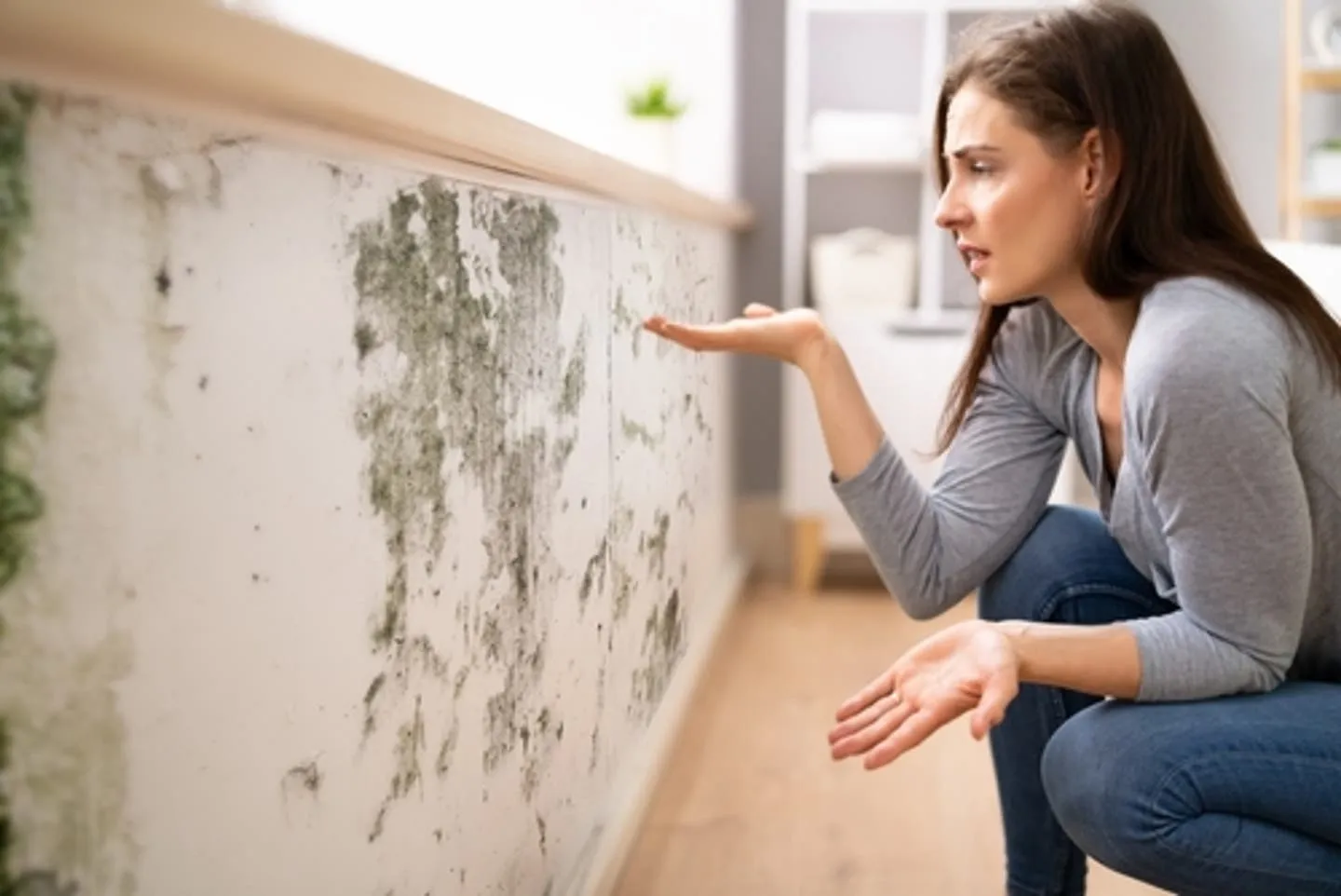
Mold rarely announces itself with drama. It grows quietly behind walls, under floors, and above ceilings until the damage is hard to miss. When growth becomes severe, speaking with los angeles mold contamination lawyers can help residents understand responsibility, evidence, and the steps that protect both health and property.
How Mold Takes Hold in Local Buildings
Mold needs only moisture, organic material, and time. Los Angeles buildings supply plenty of all three through aging plumbing, roof leaks, and rain-soaked walls. Even a modest water event can create the right conditions within a few days.
Older apartments and poorly ventilated bathrooms face extra risk. Coastal humidity, sealed windows, and unrepaired condensation add to the problem. Many cases begin with a small drip that nobody wanted to treat as urgent.
Telling Black Mold Apart From Surface Stains
Dark patches on a wall do not always mean the same thing. Color alone is an unreliable guide, since many species look similar to the naked eye. Only proper testing can confirm what is actually growing in the space.
That uncertainty is why people often seek a black mold attorney only after test results or medical concerns appear. Legal advice becomes more useful when paired with a professional assessment. Guesswork rarely persuades insurers, landlords, or courts.
Health Signs Worth Noting
Reactions to mold vary widely. Some people notice nothing, while others experience coughing, congestion, eye irritation, or skin reactions. Children, older adults, and people with asthma or weakened immune systems may be more sensitive.
Keep a symptom diary that notes when problems begin and where you feel better or worse. See a doctor and ask that your concerns be recorded in the chart. Medical notes can later help connect your condition to the living environment.
Testing and Professional Remediation
Hire a qualified inspector who has no financial interest in selling cleanup services. Sampling can identify spore types and show how widespread the problem is. A written report becomes a valuable reference for every conversation that follows.
Remediation should address the moisture source, not just the visible growth. Painting over stains or wiping surfaces with bleach often brings the problem back. Ask for a scope of work, containment methods, and written confirmation once the cleanup ends.
Track Every Response From Landlords or Sellers
Note who you contacted, what you reported, and how long the reply took. Save texts, emails, and repair invoices in one place. Gaps between your complaint and the response often reveal whether the issue received proper attention.
Photographs taken before, during, and after remediation add context. Include shots of damaged belongings and affected rooms. Together, these records tell a story that is difficult to dismiss and easier for others to follow.
Accountability and Next Steps
Responsibility depends on the facts. A landlord may have ignored repeated notices, a contractor may have performed poor repairs, or a seller may have hidden known moisture damage. Each situation calls for a slightly different approach.
Before deciding anything, gather your inspection reports, medical notes, and written communications. Then discuss realistic goals, whether that means repairs, reimbursement, relocation help, or a negotiated settlement. A clear plan keeps the process calmer and more productive.
Conclusion
Mold problems grow worse with delay, yet early attention can prevent much of the harm. Testing, documentation, and medical follow-up give residents a stronger footing. Acting thoughtfully today often saves considerable stress and expense later.
To learn more about mold-related legal concerns and what resources are available, readers can visit mehdlaw.com and continue their research from there.